English| USD
Suggested for you
More currencies
Choose a language
The Caspian Sea has no bridges. Ferry crossings connect the landlocked corridor between Europe and Central Asia, but departures follow cargo demand rather than published timetables. Understanding which ports serve passengers and how schedules actually work shapes realistic transit planning.
Quick answer
Caspian Sea ferry routes operate primarily between Azerbaijan's Port of Alat and Aktau in Kazakhstan, with less frequent service to Turkmenbashi in Turkmenistan. Departures are irregular—vessels leave when cargo holds fill, typically every 2-5 days depending on season and demand. Passenger tickets cost 70 USD and include a cabin berth plus three meals per day. Port offices operate during business hours (09:00–17:00) for ticket coordination, though vessels themselves run around the clock.
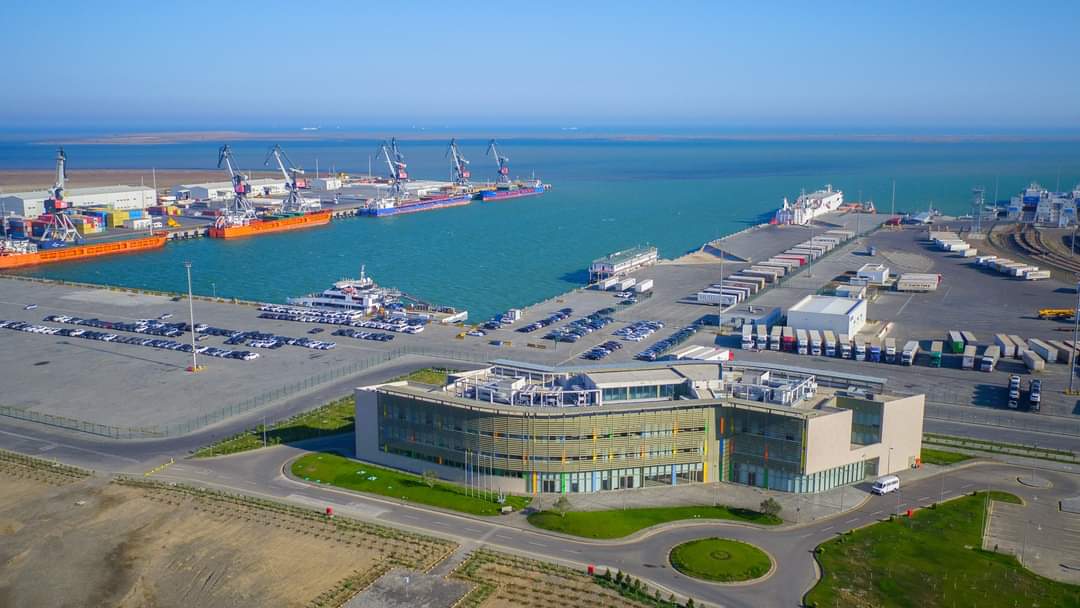
No fixed timetable governs trans-Caspian crossings. Ferry operators prioritize freight—railcars, trucks, and bulk cargo—so passenger departures depend on when holds reach capacity rather than calendar dates. The Alat-Aktau corridor handles the majority of traffic, serving the international transport route that connects the South Caucasus with Central Asia. Turkmenbashi sees fewer sailings, and Iranian ports at Bandar-e Anzali and Bandar-e Nowshar operate under separate visa and booking frameworks that complicate through-ticketing. The Port of Alat, 65 kilometers south of Baku, consolidated Azerbaijan's Caspian operations in 2018. Its modern terminal replaced the older Baku International Sea Trade Port, centralizing passenger and freight processing. Travelers arrive at the port administration building during business hours to confirm departure windows—ticket offices and scheduling staff work 09:00 to 17:00, though the port itself operates continuously. Actual boarding occurs when the vessel is ready, which can mean waits of several hours or, occasionally, days. Cabins are assigned at embarkation and include basic amenities; meals are served in the ship's galley at set intervals during the crossing. Crossing duration varies with weather, routing, and port congestion. The Alat-Aktau journey typically takes 14-18 hours in favorable conditions, though delays at either terminal can extend total travel time to 30 hours or more. Vessels navigate open water for most of the route—the Caspian's central basin reaches depths exceeding 1,000 meters—and autumn storms between September and November can postpone departures. Winter crossings remain operational but face greater schedule volatility. Booking in advance is rarely possible. Tickets are sold on-site once a departure is confirmed, usually 24-48 hours before sailing. The 70 USD fare covers a shared cabin berth and three meals, with no tiered pricing or advance-purchase discounts. Travelers planning multi-leg journeys across the region build buffer days into itineraries to accommodate the inherent unpredictability of Caspian Sea ferry routes. The crossing itself functions as a working cargo operation that happens to carry passengers, not a scheduled passenger service that also moves freight.
“Ferry operators prioritize freight, so passenger departures depend on when cargo holds reach capacity rather than calendar dates.”
The Port of Alat serves as the primary maritime gateway for ferry crossings across the Caspian Sea, located approximately 70 kilometers south of Baku. Travelers must coordinate transit to this terminal as it functions as the central hub for all scheduled and irregular ferry departures.
Direct transfer from Baku via M1 and M2 highways
Baku International Bus Terminal to Alat Bus Station
M2 highway south from Baku city center
For administrative coordination and ticket office interactions, ensure your arrival aligns with the designated business window of 09:00–17:00. Navigating to the Port of Alat via private vehicle or pre-arranged taxi is the most direct method for reaching the terminal facilities.
The ferry terminal at the Port of Alat maintains continuous operations throughout the week to manage transit schedules. Port facilities are accessible daily to accommodate travelers and administrative requirements.
To ensure efficient administrative coordination for Caspian Sea ferry departures, passengers should plan their arrival at the Port of Alat between 09:00 and 17:00. This designated business window provides necessary access to port ticket offices for handling irregular departure schedules.
Mild temperatures (15°C–22°C)
This period offers stable sea conditions and manageable administrative processing times.
Cooler temperatures (16°C–23°C)
Sea crossings are often smoother during these months, facilitating more predictable boarding coordination.
—
Arriving within this window is essential for direct assistance with ticket offices and logistical documentation.
Cold temperatures (5°C–10°C)
While less crowded, irregular departures may be more frequent due to harsher weather patterns on the sea.
Verdict: The most effective time for logistical coordination is during the business window of 09:00–17:00 in the months of April or October.
Ferry travel across the Caspian Sea requires specific documentation and advance planning due to irregular schedules and border-crossing procedures.
Everything you need to know about caspian sea ferry routes
Travelers looking to navigate caspian sea ferry routes should coordinate directly through official maritime channels. As these vessels primarily function as freight carriers, ticket availability is often managed on-site rather than through automated online booking systems.
Operations across these transit corridors do not follow traditional passenger cruise schedules. Travelers should anticipate irregular departures, as vessel movement is prioritized around cargo handling and port logistics.
The standard passenger ticket provides a cabin berth and covers three meals per day. This fee structure is consistent for those utilizing established caspian sea ferry routes as part of their regional journey.
Passengers must provide a valid passport and any necessary visas for their destination country. It is essential to ensure all transit documents are current before arriving at the port for your journey.
Children are permitted on these vessels, provided they are accompanied by a parent or guardian. Please note that these are functional cargo-passenger ships rather than leisure cruise liners, meaning amenities are basic.
To manage administrative coordination and ticket office interactions effectively, the recommended arrival window is 09:00–17:00. Arriving during this period ensures the best access to port staff for processing your departure.
While these connections serve as essential infrastructure, they are subject to weather conditions and logistical demands. Flexibility in your travel itinerary is recommended when relying on these regional maritime links.
Pack essential travel documents, personal items, and any specific snacks or entertainment you require for the journey. Since cabins are provided as part of your fare, standard overnight supplies are sufficient for the duration of the trip.